
CNG prices in Delhi have been increased by Re 1 per kg, marking the second increase in less than a week, according to Indraprastha Gas Ltd.

The fourth price rise takes the cumulative hike to Rs 4 per kg.
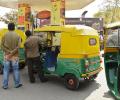
CNG price in the national capital on Friday was hiked by 80 paise per kg, while piped cooking gas rates were increased by a steep Rs 5 per cubic metre on the back of the government raising input natural gas prices to record levels. CNG price in the National Capital Territory (NCT) of Delhi has been increased to Rs 60.81 per kg from Rs 60.01, according to information posted on the website of Indraprastha Gas Ltd (IGL) -- the firm which retails CNG and piped cooking gas in the national capital. This is the sixth increase in CNG prices in the last month.

Petrol and diesel prices have been increased by Rs 3 per litre each, marking the first hike in over four years, as state-run fuel retailers pass on some of the impact from surging global crude prices, which have been exacerbated by the Iran war.

Indian benchmark equity indices, Sensex and Nifty, closed lower due to investor caution over rising bond yields, a weaker rupee, and fresh fuel price hikes, which have revived inflation concerns.

Petrol and diesel prices in India have been increased for the second time in a week, following a long freeze on revisions. The increase comes as global crude prices surge and state-run oil firms look to recoup losses.

Petrol price has been increased by 87 paise in Delhi from Rs 98.64 to Rs 99.51 per litre. Diesel rates have gone up by 91 paise from Rs 91.58 to Rs 92.49.
CNG price in Mumbai as well as several other cities in the country has been hiked by Rs 2 per kg but users in poll-bound Delhi have been spared for the time being, according to city gas firms. Indraprastha Gas Ltd, the firm that retails CNG to automobiles and pipes natural gas to household kitchens for cooking in the national capital and adjoining cities, over the weekend raised CNG price by Rs 2 per kg.

Companies to hold rates in Delhi until new government is formed.
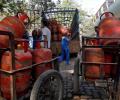
Domestic cooking gas (LPG) prices have increased by Rs 29 per cylinder, marking the second hike in three months due to rising global energy costs. This follows broader fuel price increases for petrol, diesel, and CNG, with state-owned retailers still incurring significant losses despite the revisions.
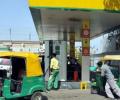
After Delhi, CNG price in Mumbai has been hiked by Rs 1.50 per kg and the rate of cooking gas piped to houses by Re 1 due to rise in input costs. Mahanagar Gas Ltd, which retails CNG to automobiles and piped natural gas to households for cooking purposes in Mumbai and surrounding cities, said the increased prices will come into effect from the intervening night of July 8 and 9.

The compressed natural gas, or CNG, rate in the national capital was on Thursday raised by a steep Rs 4.50 per kg in a second increase in rates in three months.
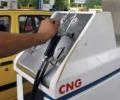
Price has increased from Rs 41.90 to Rs 45.60.
The government has slashed by up to 20 per cent the supplies of cheaper domestically produced natural gas to city retailers -- a move that may result in Rs 4-6 per kg hike in the price of CNG sold to automobiles, unless excise duty on the fuel is cut, sources said. Natural gas pumped from below the ground and from under the seabed from sites ranging from the Arabian Sea to Bay of Bengal within India is the raw material that is turned into CNG for sale to automobiles and piped cooking gas to households.

Indian carmakers, including Maruti Suzuki and Kia India, reported robust sales growth in May 2026, with both companies achieving their highest-ever monthly sales despite rising fuel prices. Maruti Suzuki's domestic sales surged to 1,93,535 units, while Kia India recorded 27,586 units, driven by strong demand in mini and compact segments and a shift towards electric and CNG vehicles.
IGL had this month raised compressed natural gas (CNG) prices in the national capital by Rs 1.25 per kilogram to Rs 29 per kg and piped cooking gas to Rs 26 per cubic meter, as it bought more of imported LNG to meet the rising demand.
CNG and piped cooking gas prices in cities such as Delhi and Mumbai may be hiked by 10-11 per cent next month as the government-dictated gas price is set to rise by about 76 per cent, ICICI Securities said in a report. The government, using rates prevalent in gas-surplus nations, fixes the price of natural gas produced by firms such as state-owned Oil and Natural Gas Corp (ONGC) from fields given to them on nomination basis, every six months. The next review is due on October 1.

CNG prices in Mumbai may have to be hiked by about Rs 16 per kg and piped cooking gas by Rs 10 after government decided to divert some of its cheaper domestic gas to Gujarat.
After hike in rates of petrol, diesel and LPG, the prices of CNG and cooking gas piped to household kitchens (PNG) in the national capital were hiked on Thursday by Re 1. CNG price in NCT of Delhi has been increased to Rs 59.01 per kg from Rs 58.01, according to the information posted on the website of Indraprastha Gas Ltd - the firm which retails CNG and piped cooking gas in the national capital. This is the third increase in CNG rates this month, which follows a spike in input (natural gas) prices across the globe.

Despite international crude oil rates crossing USD 100 per barrel due to Middle East tensions, the Indian government plans to maintain current petrol and diesel prices, ensuring uninterrupted fuel supply across the country.

India's automobile retail sales surged by 21.83 per cent year-on-year in June, reaching 25,57,234 units, marking the best June ever recorded across all segments, according to the Federation of Automobile Dealers Associations (FADA).

Passenger vehicle sales in India are estimated to have surged by nearly 25 per cent in June 2024, reaching approximately 4 lakh units, with Maruti Suzuki, Tata Motors PV, and Mahindra & Mahindra leading the growth, despite concerns over geopolitical tensions and monsoon impact.
Amid indication that prices of compressed natural gas (CNG) may go up in Delhi, the Bharatiya Janata Party (BJP) said if the hike is allowed, it would compound the problem of the common people who are already hit hard by price rise.

Petrol and diesel prices in India have seen their fourth increase in less than two weeks, pushing cumulative hikes to nearly Rs 7.5 per litre since May 15, reaching their highest levels since May 2022. This surge, driven by global crude oil costs and the Iran conflict, is expected to exacerbate inflationary pressures and raise transportation costs across the economy.
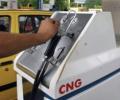
Piped cooking gas rates are also increased by Re 1 with effect from midnight.
Prices of natural gas, which is used to generate electricity, make fertiliser and is converted into CNG to run automobiles, were on Friday hiked by a steep 40 per cent to record levels, in step with global firming up of energy rates. The rate paid for gas produced from old fields, which make up for about two-thirds of all gas produced in the country, was hiked to $8.57 per million British thermal units from the current $6.1, according to an order from the oil ministry's Petroleum Planning and Analysis Cell (PPAC). Simultaneously, the price of gas from difficult and newer fields like the ones in Reliance Industries Ltd and its partner bp plc operated deepsea D6 block in KG basin, was hiked to $12.6 per mmBtu from $9.92, the order said.

The likely solution that appears before the AAP government is to seek for a higher quota of domestic natural gas for Delhi, which would bring down auto and cooking gas prices.

Sensex gains over 400 points while Nifty trades above 23,800 amid strong IT sector buying.
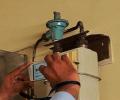
The price of cooking gas piped to household kitchens in the national capital and adjoining cities was hiked by Rs 2.63 per unit on Friday, the second increase in rates in less than two weeks. Piped cooking gas in Delhi will now cost Rs 50.59 per standard cubic meter, as against Rs 47.96 previously, according to Indraprastha Gas Ltd - the firm that retails CNG to automobiles and piped cooking gas to households in the national capital and adjoining towns. The increase is to "partially offset the increase in input gas cost," IGL said in a tweet.
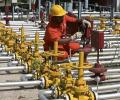
The government on Thursday hiked by 62 per cent the price of natural gas that is used to produce electricity, make fertilisers and turned into CNG to use as fuel in automobiles and cooking gas for household kitchens. This is the first increase in rates since April 2019 and comes on back of firming benchmark international prices but does not reflect the spurt in spot or current price of liquefied natural gas (LNG) witnessed during the last couple of weeks. The oil ministry's Petroleum Planning and Analysis Cell (PPAC) said the rates paid for gas produced from fields given to state-owned Oil and Natural Gas Corporation (ONGC) and Oil India Ltd (OIL) will be $2.90 per million British thermal unit for the six-month period beginning April 1.
Indian oil marketing companies are incurring significant losses, selling petrol at a Rs 14 per litre loss and diesel at Rs 18 per litre, as elevated global crude oil prices, exacerbated by the West Asia crisis, outpace capped retail fuel rates, according to rating agency Icra.
The government has slashed by up to a fifth the supplies of cheaper gas to city gas entities that retail CNG to automobiles, increasing their dependence in costly imported fuel. Buying costly imported gas to make up for the shortfall should result in a hike in CNG price but given the ensuing assembly elections in Maharashtra, that may be put off for now. Indraprastha Gas Ltd and Mahanagar Gas Ltd in regulatory filings stated that supplies of domestically produced gas, which was available at a capped rate which is half of the imported price, has been cut.
Passenger vehicle sales in India reached a record high of 4.7 million units in FY26, boosted by strong performances from major automakers and the implementation of GST 2.0.

The country's largest carmaker Maruti Suzuki India on Monday said it has hiked prices of hatchback Swift and CNG variants of other models by up to Rs 15,000. The price change for Swift and all CNG variants is owing to an increase in various input costs, Maruti Suzuki India said in a regulatory filing.
A nearly two-fold hike in natural gas prices will incentivise investment in the hydrocarbon sector and help reduce the energy import bill, India Inc said.
The government has slashed allocation of natural gas used for LPG production, and diverted the low-priced fuel to city gas retailers like Indraprastha Gas Ltd and Adani-Total Gas Ltd to meet a part of their requirement for CNG/piped cooking gas supplies, according an official order. The government had in October and November last year cut supplies of low-priced natural gas coming from old fields such as Mumbai High and Bassein fields in the Bay of Bengal, to city gas retailers by as much as 40 per cent in view of limited output.

'There is no shortage of fuel whatsoever.' 'India is stock surplus as far as petrol and diesel are concerned.'
The oil ministry has stopped making fresh allocation of natural gas from domestic fields to the city gas sector, threatening the viability of Rs 2 lakh crore investment planned in the sector besides leading to a hike in CNG and piped cooking gas prices to record levels, sources said. Despite a decision of the Union Cabinet to give 100 per cent gas supply under 'no cut' priority to the city gas distribution (CGD) sector, current supplies have been maintained at March 2021 demand level. Besides, the process of allocating gas on a six-monthly average drawl also is punishing the CGD entities driving growth.
This gas is sold at government controlled rates, with about 50 mmscmd allocated to power and fertilizer units.
CNG price in the national capital and adjoining cities on Tuesday was hiked by Rs 0.50 per kg, while an imminent increase in petrol and diesel price has been put on wait-and-watch mode for more clarity on global oil prices. CNG price in NCT of Delhi has been increased to Rs 57.51 per kg from Rs 56.51, according to the information posted on the website of Indraprastha Gas Ltd - the firm which retails CNG and piped cooking gas in the national capital. Following the firming up of international gas rates, IGL has been raising CNG rates by up to 50 paise (Rs 0.50) per kg periodically. Prices have gone up by about Rs 4 per kg this year alone.
